Nylon, PTFE, and Exotic Materials for Corrosive Applications
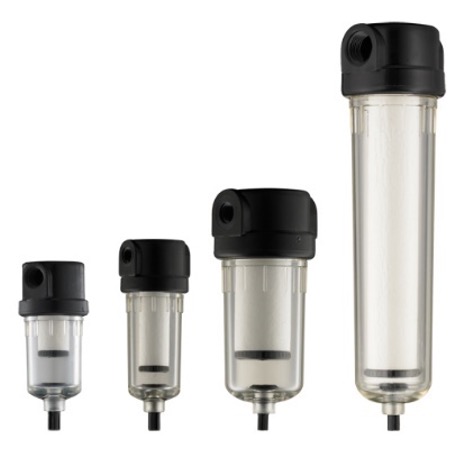
Nylon Filter Housings
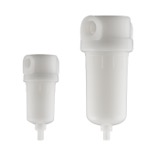
Nylon Housings provides an economical solution for both sample systems and low-pressure compressed air applications.
| PRODUCT FEATURES / BENEFITS |
| s Filter Gases and Liquids |
| s Complete Nylon Construction |
| s Low Cost, Corrosion Resistant Filter Housings |
| s No Metal Contact Surfaces |
| s Replaceable Elements for Low Running Costs |
| s Emission / Environmental Filters |
| s Low Cost OEM Filters |
| s Point-Of-Use Instrument Air Filter |
Description
Nylon Housings provides an economical solution for both sample systems and low-pressure compressed air applications. Their durability, reliable performance, and price point the 700 series nylon filters offer an ideal OEM filtration solution. A wide selection of filter elements is available to accommodate even the most demanding requirements.
Each housing can be configured with two drain options:
- Manual Twist Drain
- No Drain (recommended for liquid filtration)
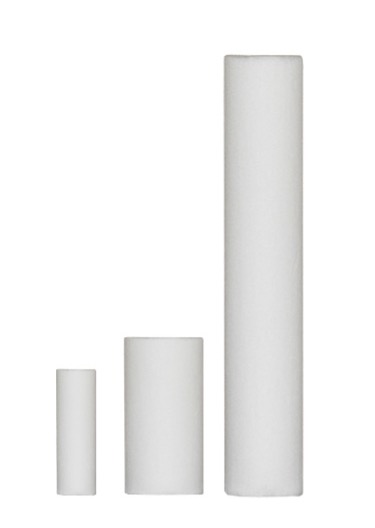
Our OEM Nylon Emission filters are specifically designed for gasoline engine analysis. We offer a traditional T-Type design or our unique inverted configuration.
The 745N (¼”) and 746N (½”) are single-element assemblies designed to accept industry-standard element sizes and grades, ensuring complete interchangeability. With their compact footprint and low internal volume (108 cc), these housings are particularly well suited for portable emission systems. Based on the 750N design (see first page), the short-bowl 745N and 746N are mounted in the traditional T-type format.
The 707N and 778N utilize our unique inverted 2 stage element design within one housing. Eliminating the need to break a connection for service or draining liquids. A secondary benefit is the unit having two elements, a coalescing pre-filter and particulate final filter. This minimizes internal volume and less leak pints since only one body is utilized.
Quick Comparison
| Nylon Filter Housings remove | Polypropylene / Polycarbonate Filters remove | Filters for Emission Service remove | Exotic Material Filters remove | PTFE Filter Housings remove | Low Pressure Stainless Steel Housings remove | |
|---|---|---|---|---|---|---|
| Name | Nylon Filter Housings remove | Polypropylene / Polycarbonate Filters remove | Filters for Emission Service remove | Exotic Material Filters remove | PTFE Filter Housings remove | Low Pressure Stainless Steel Housings remove |
| Image | |  |  | 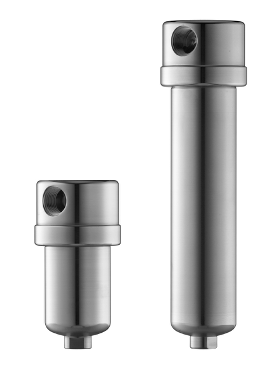 | 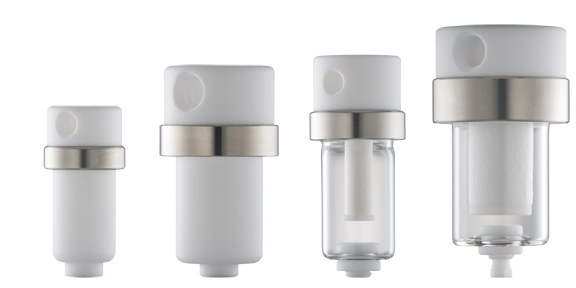 | 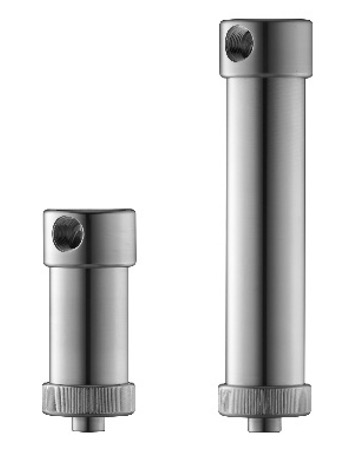 |
| SKU | ||||||
| Rating | ||||||
| Price | ||||||
| Stock | ||||||
| Weight | N/A | N/A | N/A | N/A | N/A | N/A |
| Dimensions | N/A | N/A | N/A | N/A | N/A | N/A |
| Additional information | ||||||
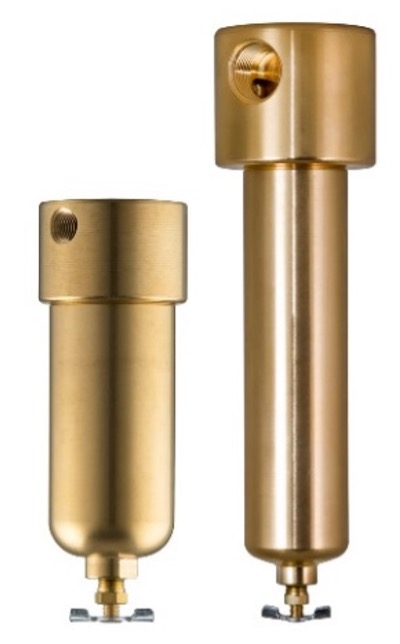
| Description | Nylon Housings provides an economical solution for both sample systems and low-pressure compressed air applications. | Polypropylene housings with transparent polycarbonate bowls provide an economical solution for low-pressure applications where chemical resistance is adequate. The clear bowl makes it easy to visually monitor element condition. | Ensure reliable emission test bench performance and compliance with Headline Filters microfiber elements. Protect your test standards with consistent, repeatable filter element quality. | Our Extensive Material Capabilities for Custom Filtration Solutions United offers a comprehensive library of exotic materials designed to meet the demands of specialized filtration applications. Our capabilities include the fabrication of custom filter housings and elements from a wide range of metals tailored to suit diverse operating environments. | PTFE filter housings are engineered specifically for applications requiring exceptional chemical resistance and minimal adsorption. These housings support a range of filter elements for both gaseous and liquid filtration. | Designed for gas analysis, emissions monitoring, CEMS, and sample process filtration, these low-pressure stainless steel housings are ideal for applications requiring continuous monitoring. |
| Add to cart |